
This article explores essential tips that professional movers use to ensure a smooth and efficient moving experience. Whether you’re relocating to a new home or moving your office, these insights from experts in the field will help make your move as seamless as possible.
What Are the Best Packing Strategies for Fragile Items?
Understanding the Right Materials
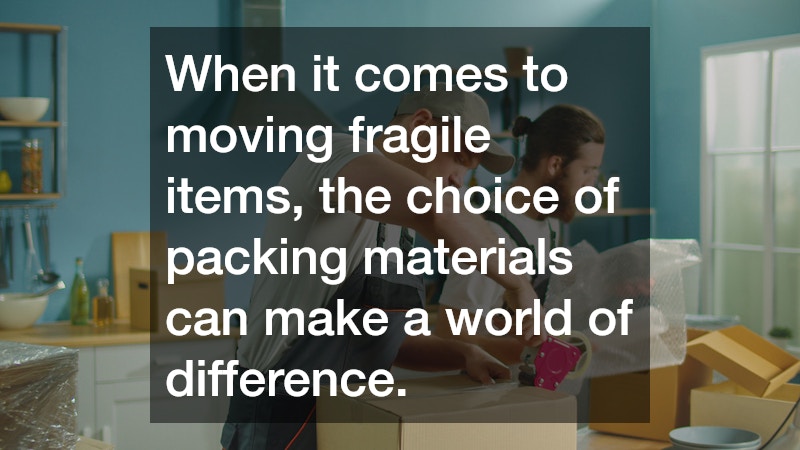
When it comes to moving fragile items, the choice of packing materials can make a world of difference. Professional movers recommend using bubble wrap, packing paper, and foam peanuts to envelop delicate objects securely.
Double-walled boxes provide an added layer of protection, reducing the likelihood of breakage during transit. These materials create a cushioning effect that helps to absorb shocks and prevent items from shifting. It is also essential to choose the correct size of the box for each item, ensuring it fits snugly without excessive movement.
Techniques for Secure Packing
Utilizing effective packing techniques is key to safeguarding fragile items. Professionals advise wrapping each item individually with bubble wrap, paying special attention to edges and corners. Tightly stuffing packing paper into voids within boxes helps prevent movement. Creating layers by placing heavier items at the bottom and lighter ones on top is another technique used. Moreover, incorporating dividers for glassware and dishes can prevent contact and minimize the risk of damage.
Labeling for Safety and Efficiency
Labeling boxes not only streamlines the unpacking process but also enhances safety during the move. Clearly marking boxes containing fragile items with “FRAGILE” ensures movers handle them with extra care. Using a color-coded labeling system can further organize packed items by room, saving time when settling into a new space. Professional movers often include handling instructions on labels, indicating which side of the box should face upward. This practice minimizes accidents and ensures fragile items are not inadvertently tipped or stacked inappropriately.
How to Efficiently Utilize Moving Trucks?
Maximizing Space in the Truck
Efficiently utilizing space in a moving truck is crucial in minimizing costs and ensuring a smooth move. Professional movers employ a Tetris-like strategy, fitting items together to form a compact load. They prioritize loading heavier items first, placing them at the bottom to provide a stable base. These heavier items often include appliances and furniture, which are positioned closest to the cab for weight distribution. Filling gaps with smaller boxes and soft items like cushions helps in cushioning and protecting breakable items.
Order of Loading
Loading items in the right order can significantly impact the process’s efficiency and safety. Professionals typically prioritize larger items, such as furniture and appliances, which are loaded first. This practice not only maximizes space but ensures they are firmly secured, reducing movement and potential damage. Smaller boxes and non-delicate items follow, tightly packed to prevent shifting. Fragile items are loaded last, kept at the top to minimize weight on them and positioned in a way that keeps them stable.
Securing Items During Transit
Securing items within the truck effectively prevents unwanted movement and subsequent damage. Professionals use a combination of ropes and straps to tie down large and heavy objects, maintaining position even during abrupt stops. Utilizing padded covers for furniture further guards against scratches and impact damage. Additionally, movers employ partitioning techniques, using wooden beams or bars to create sections and keep items from banging against each other. Properly securing the load is vital for a risk-free transit, ensuring everything arrives intact at the new location.
What to Do Weeks Before and On Moving Day?
Pre-Move Preparation Checklist
Planning well in advance is a cornerstone of a successful move. Weeks before the move, professional organizers suggest decluttering to reduce the load and improve packing efficiency. Creating a detailed inventory of items helps track belongings and prioritize packing order. Essential documents and valuables should be packed separately and kept accessible at all times. Arranging for utility transfers and addressing changes ahead of time ensures a seamless transition to the new location with minimal disruption.
Tips for a Smooth Moving Day
The day of the move can be hectic, but with the right approach, it becomes much more manageable. Movers recommend starting early to avoid last-minute rushes, which can lead to errors. A designated team leader can oversee tasks, ensuring packing and loading operate smoothly. Keeping essential items like toiletries and a change of clothes in a personal box prevents unnecessary stress when settling in. Double-checking that all rooms are emptied and turning off utilities are essential steps in completing a thorough move.
Post-Move Procedures
After the move, organized unpacking is vital for maintaining order and reducing stress. Professionals suggest starting with the essentials, such as kitchen and bathroom items, to quickly establish functionality in the new home. Reassembling furniture and placing it in designated rooms helps in creating an immediate sense of continuity and comfort. Recycling packing materials like boxes and paper contributes to an environmentally friendly move. Conducting an inventory check ensures all items have arrived safely, completing the transition smoothly.
Employing these professional moving tips can vastly improve the efficiency and ease of your moving process. From comprehensive packing strategies to efficient truck utilization and thorough planning, these strategies are proven to reduce stress and ensure a successful move.