
As the temperature begins to drop and the autumn leaves fall, preparing your home for the upcoming cold season becomes a top priority. Winter weather can be exceptionally harsh on residential properties, bringing freezing temperatures, heavy snow, ice storms, and biting winds. Without proper preparation, these seasonal elements can cause significant structural damage, lead to unexpected emergency repairs, and drain your household budget through surging utility bills. Taking a proactive approach to seasonal home maintenance ensures that your living space remains warm, safe, and comfortable throughout the coldest months of the year.
A comprehensive seasonal checklist helps you systematically address every critical system and structural component of your home. By identifying and fixing minor issues before frost sets in, you protect your property against catastrophic failures such as burst pipes, heating breakdowns, or roof leaks. Beyond preventing structural damage, winterizing your home optimizes energy efficiency, allowing your heating systems to operate smoothly without consuming excessive fuel or electricity. Dedicating time each fall to thorough home maintenance yields long-term peace of mind, safeguards your investment, and keeps your family safe and cozy all winter long.
Inspecting and Servicing the Heating System

Cleaning Air Filters and Vents
Dust, dirt, and pet dander naturally accumulate within your home’s air filters and ventilation pathways over months of continuous use. When filters become clogged, airflow is severely restricted, forcing your heating equipment to work much harder to maintain a comfortable indoor temperature. This unnecessary strain leads to higher utility bills and increases the likelihood of mechanical failures during peak winter usage. To ensure optimal performance, inspect your furnace or heat pump filter monthly and replace disposable filters whenever they appear discolored or laden with debris. Cleaning supply vents and return grilles with a vacuum attachment removes surface dust, allowing clean air to circulate freely throughout every room in your house.
Testing Thermostats and Controls
Before the first cold snap arrives, verifying that your thermostat accurately reads ambient temperatures and communicates correctly with your heating unit is essential. Switch your control panel to heating mode and set the target temperature a few degrees above the current room reading to ensure the furnace ignites promptly. Upgrading to a programmable or smart thermostat can yield substantial energy savings by automatically lowering the temperature while you are asleep or away from home. Additionally, perform routine hvac testing to confirm that safety shut-off switches, internal limit controls, and zone valves operate precisely as intended by the manufacturer.
Checking Fuel Supplies and Storage Tanks
If your property relies on liquid fuel or residential fuel oil for heating, monitoring fuel levels well before winter arrives is vital for uninterrupted comfort. Running out of fuel during a prolonged freezing spell can lead to frozen pipes and severe interior damage. Inspect your fuel storage tank for visible signs of corrosion, leaks, or rust, ensuring that all fill pipes and vent caps remain tightly sealed against water entry. Contact local suppliers early to arrange bulk delivery, keeping a close watch on seasonal heating oil prices so you can schedule fill-ups when rates are most favorable.
Professional Furnace Maintenance
While homeowners can perform basic checks, a thorough evaluation of heating equipment requires specialized professional skills. Scheduling a comprehensive Heating service performed by experienced HVAC companies ensures that heat exchangers are free from dangerous cracks, burners are properly adjusted, and electrical connections are secure. A qualified technician will inspect flue pipes for blockages, lubricate motor bearings, and verify proper combustion to prevent carbon monoxide hazards. Scheduling a routine tune-up early in the autumn prevents costly emergency breakdowns during freezing nights when service technicians are in high demand.
Optimizing Plumbing and Hot Water Systems

Insulating Exposed Water Lines
Unprotected water pipes passing through unheated spaces like basements, crawlspaces, attics, and exterior walls are highly susceptible to freezing. When water freezes inside a pipe, it expands, creating massive hydraulic pressure that can split metal or plastic lines wide open. Shield these vulnerable pipes by wrapping them in foam sleeve insulation or using self-regulating heat tape along vulnerable runs. Pay special attention to connection points near exterior walls and ensure that crawlspace vents are tightly closed during cold spells to block frigid drafts.
Servicing the Hot Water Heater
Your domestic water heating appliance experiences an increased workload during winter as incoming municipal water temperatures plummet. Flushing the tank annually removes accumulated mineral sediment and scale from the bottom, which improves heating efficiency and prevents premature tank failure. Check the pressure relief valve by gently lifting its lever to ensure water flows and stops correctly. If you notice unusual popping noises, slow recovery times, or minor leaks around supply fittings, schedule professional water heater repairs immediately to prevent catastrophic tank failure or unexpected ice-cold showers.
Preparing Outdoor Hose Bibs and Spigots
Outdoor plumbing fixtures are among the first elements to freeze when ambient temperatures drop below thirty-two degrees Fahrenheit. Disconnect, drain, and store all garden hoses, as attached hoses trap residual water inside the spigot body, causing it to crack when frozen. Turn off the interior shut-off valve supplying exterior hose bibs, then open the outdoor tap to drain remaining water completely. Installing inexpensive insulated foam covers over external faucets adds an extra thermal barrier against freezing winds and sudden overnight frosts.
Professional Plumbing Inspections
A comprehensive evaluation by a licensed plumber can uncover hidden vulnerabilities across your home’s water supply and drainage networks. Professionals use specialized equipment to check system pressure, inspect shut-off valves, and clear slow-draining lines before winter arrives. Scheduling a complete water heater service ensures that anode rods are inspected, burner assemblies are calibrated, and electrical heating elements are fully functional. This proactive care keeps your plumbing operating smoothly throughout the holiday season when guest usage is highest.
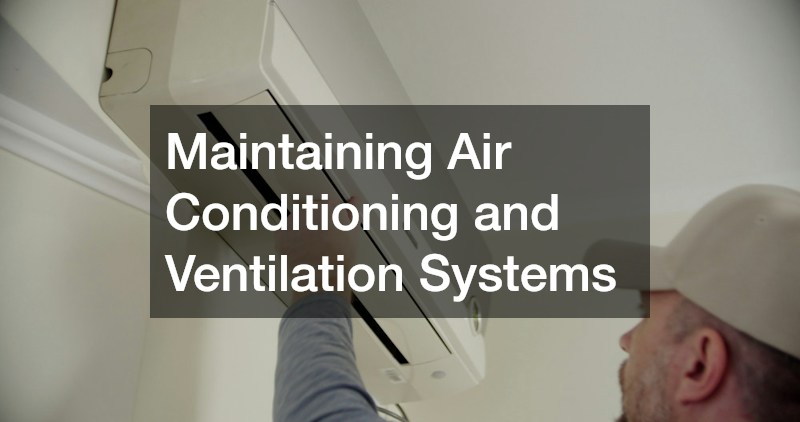
Maintaining Air Conditioning and Ventilation Systems
Cleaning Outdoor Condenser Units
Autumn leaves, falling twigs, weed growth, and windborne dirt frequently gather inside and around your outdoor air conditioning unit. Allowing debris to sit inside the cabinet over winter creates moisture traps that foster corrosion, rust, and pest infestation. Turn off electrical power to the unit at the outdoor disconnect box, then carefully sweep away leaves and clear a two-foot perimeter around the enclosure. Gently rinse the exterior fins with a low-pressure garden hose to remove fine dirt and grime without bending the delicate aluminum cooling fins. Addressing minor issues now prevents needing urgent ac repair when the warmer weather returns next spring.
Installing Protective Covers for Off-Season Storage
Protecting your outdoor cooling equipment from falling ice, heavy snow loads, and acidic tree sap extends its overall lifespan. Use a breathable cover designed specifically for your unit model, covering only the top portion or ensuring side vents remain open to prevent internal condensation build-up. Completely sealing an outdoor unit with non-breathable plastic tarps can trap moisture inside, causing premature electrical degradation and internal corrosion. For window-mounted cooling units, remove them entirely or seal them internally with specialized quilted covers to stop drafty winter cold spots.
Sealing Ductwork and Air Leaks
Conditioned air escaping through loose duct connections or cracked seams in unconditioned attics and crawlspaces significantly inflates energy usage. Inspect visible metal ductwork for loose joints, missing insulation, or deteriorating tape, using mastic sealant or heavy-duty foil tape to patch open seams. Proper duct sealing ensures that warm air reaches every room evenly rather than leaking into structural voids. If your air conditioning system is integrated with your central heating system, securing professional air conditioner services helps maintain balanced airflow and high indoor air quality year-round.
Strengthening the Building Envelope and Exterior Structure

Inspecting the Roof and Chimney
Your roof serves as the primary barrier protecting your home against winter precipitation, heavy snow loads, and wind-driven rain. Inspect the roofline from the ground using binoculars to look for missing, curling, or damaged shingles that could admit water. Examine flashing around chimneys, vent stacks, and skylights, ensuring that rubber boots and silicone sealant seals remain flexible and intact. Have a certified chimney sweep clean wood-burning fireplaces and inspect masonry flues for creosote buildup, animal nests, or loose bricks before lighting your first seasonal fire.
Clearing Gutters and Downspouts
Clogged gutters are the primary cause of ice dams, which occur when trapped water freezes along roof eaves and forces meltwater backward beneath shingles. Clean out all fallen leaves, pine needles, and accumulated mud from gutters and downspouts after the majority of autumn leaves have dropped. Flush the gutters with a hose to confirm that water flows freely toward downspouts and drains away from the structure. Ensure downspout extensions discharge water at least five feet away from foundation walls to keep soil from becoming overly saturated during freeze-thaw cycles.
Sealing Windows, Doors, and Siding
Air leaks around window frames, exterior doors, and siding entry points allow costly heat to escape while inviting cold drafts inside. Walk through your home on a windy day holding a lighted incense stick near window frames to detect invisible draft sources. Apply high-grade exterior caulk around window casings, seal gaps around exterior penetrations like cable lines, and replace worn weatherstripping around entry doors. Installing temporary window insulation film over drafty single-pane windows creates an insulating dead-air space that dramatically increases comfort and cuts heating costs.
Inspecting the Foundation and Structural Walls
Soil expansion and contraction caused by seasonal moisture variations and ground freezing put immense pressure on structural footings and basement walls. Inspect exterior masonry, concrete foundations, and internal basement surfaces for visible cracks, bulging walls, or water intrusion stains. Small hairline cracks can often be sealed with hydraulic cement or polyurethane injection kits to prevent water entry. However, if you observe severe diagonal fractures, shifting walls, or significant water seepage, hiring professional foundation repair services is crucial to evaluate structural integrity and implement permanent structural stabilization.
Preparing the Garage, Yard, and Emergency Supplies
Winterizing Lawn Equipment and Tools
Outdoor power equipment requires specialized maintenance before being stored away for the winter months. Gasoline left sitting in lawnmowers, string trimmers, and leaf blowers over winter degrades, clogging carburetors and causing hard starts come spring. Add a quality fuel stabilizer to the gas tank and run the engine for a few minutes, or drain the fuel completely according to the manufacturer guidelines. Change the engine oil, clean air filters, and remove mower blades for sharpening so your yard tools are fully operational when warmer weather returns.
Inspecting Trees and Landscaping
Heavy ice storms and strong winter winds can transform dead or overgrown tree branches into severe hazards for your home, power lines, and vehicles. Inspect mature trees surrounding your property for dead wood, weak crotches, or fungal growth indicating internal decay. Trim back large overhanging branches that hover directly over rooflines, gutters, or utility wires to prevent storm damage. Lay down a fresh two-inch layer of organic mulch around sensitive perennial garden beds and shrub roots to insulate the soil and protect root systems against frost heaving.
Testing Snow Removal Equipment
Waiting until the first major snowstorm arrives to discover your snowblower will not start leads to unnecessary stress and physical strain. Drag snow shovels, roof rakes, and snowblowers out of storage early in the autumn to inspect their condition. Verify that snowblower spark plugs are clean, oil levels are correct, and drive belts remain tight and free of fraying. Stock up early on ice-melt compounds, sand, and extra fuel, storing them in moisture-proof containers near garage doors for easy access during winter storms.
Updating Emergency Preparedness Kits
Winter severe weather can cause widespread power outages, road closures, and prolonged isolation from commercial services. Assemble an easily accessible emergency supply kit containing non-perishable food, bottled water, flashlight batteries, a first-aid kit, and essential prescription medications. Include backup heat sources, warm blankets, battery-powered radios, and portable phone chargers to maintain communications during power failures. Test your home smoke detectors and carbon monoxide alarms, replacing backup batteries to ensure full operational safety throughout the heating season.
Alternative Heating and Fuel Considerations
Managing Firewood and Stoves
Wood-burning stoves and fireplaces provide excellent supplemental heat, reducing reliance on central heating equipment during severe cold spells. Store seasoned firewood off the ground and under a waterproof cover, keeping it stacked at least twenty feet away from your home’s exterior walls to deter pests. Ensure firewood is completely dry before burning, as green or damp wood creates heavy creosote deposits inside chimney flues, significantly increasing fire risks. Always keep a metal ash bucket with a tight-fitting lid nearby for safe, proper disposal of cooled ashes.
Safe Usage of Portable Space Heaters
Portable electric space heaters offer targeted heating for frequently used rooms, but they require strict safety precautions to prevent household fires. Always plug space heaters directly into grounded wall outlets rather than light-duty extension cords or surge protectors that can overheat. Position space heaters on flat, non-flammable floor surfaces, keeping them at least three feet away from curtains, bedding, furniture, and paper products. Never leave a space heater running unattended or while sleeping, and select models equipped with automatic tip-over shut-off sensors.
Sourcing Supplemental Fuel Types
Homes using specialized heating systems like pellet stoves, propane heaters, or oil furnaces must secure adequate fuel reserves before seasonal demand peaks. Monitor regional fuel supply chains and place orders early in the season to avoid delivery delays during severe winter storms. Exploring options for bulk fuel ordering or locked-in seasonal supply contracts helps protect your household budget from sudden market price fluctuations. For houses relying on liquid fuels, maintaining a clean storage environment ensures optimal fuel flow and minimizes burner tip clogs.
Preparing Backup Power Generators
Severe winter weather frequently downs power lines, leaving homes without electricity, lighting, or heat for days at a time. Portable or standby generators provide vital emergency power to keep heating systems, refrigerators, and medical equipment running safely. Test your generator under load before winter arrives, checking engine oil levels and ensuring fresh fuel is available in safety-approved storage cans. Never operate a gas generator indoors, inside garages, or near open windows, as dangerous carbon monoxide gas can accumulate rapidly and pose fatal risks to occupants.
Winterizing your property before freezing weather arrives is one of the most effective ways to protect your structural investment and preserve home comfort. By following a structured fix-it checklist, you proactively address potential vulnerabilities across heating systems, plumbing networks, structural envelopes, and outdoor grounds. Taking time to inspect roofing materials, seal air leaks, insulate exposed plumbing, and clear drainage paths prevents costly emergency repairs when winter storms hit.
Every task completed in the fall contributes directly to a safer, more energy-efficient home environment throughout the cold months. Early preparation allows you to source necessary supplies without rushing, schedule professional services before seasonal waitlists grow long, and budget effectively for seasonal expenses. Once your maintenance checklist is complete, you can relax inside a warm, secure, and resilient home, ready to enjoy the beauty of the winter season with total peace of mind.