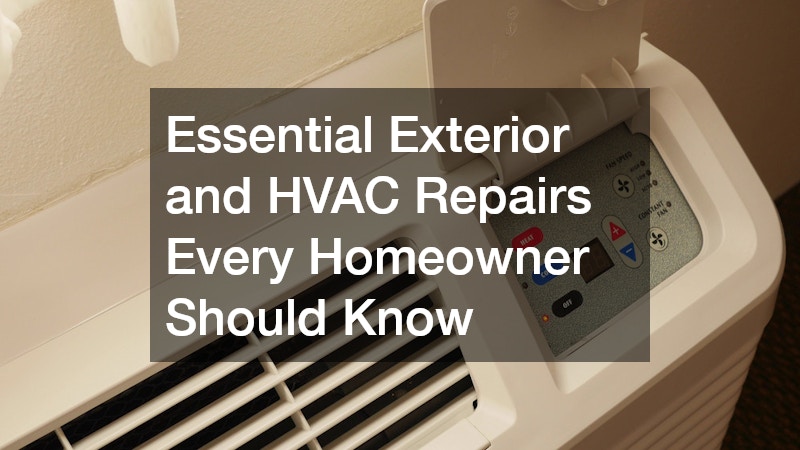

Owning a home means taking responsibility for a wide range of systems that must work together to protect both the structure and the people living inside it. While many homeowners mentally separate exterior maintenance from interior comfort systems, these components are deeply connected. Moisture intrusion, insulation gaps, and ventilation problems on the exterior can directly impact indoor temperature control, air quality, and energy efficiency. Ignoring one side of the equation often leads to unexpected consequences in another area of the home.
Homes function as complete ecosystems rather than isolated parts. For example, a poorly sealed exterior can force interior systems to work harder, increasing wear and shortening equipment lifespan. Similarly, mechanical inefficiencies can introduce moisture, heat buildup, or pressure imbalances that damage roofing materials, framing, or siding. These interactions are not always obvious, which is why many issues go unaddressed until damage becomes visible. Over time, these hidden connections can quietly erode a home’s performance and increase repair costs without clear warning.
By approaching home care holistically, homeowners can reduce emergency repairs, improve comfort, and protect long-term property value. This mindset encourages regular observation, preventative maintenance, and informed decision-making rather than reactive fixes. Understanding how exterior and mechanical systems influence each other allows for better planning, smarter budgeting, and fewer surprises over time, ultimately creating a home that performs more reliably in every season.
Spotting Early Warning Signs Before Systems Fail

Every major home failure begins as a small, manageable issue. The difference between a routine repair and an expensive emergency often comes down to how quickly warning signs are recognized and addressed. Homeowners who learn to identify subtle changes can intervene early and prevent damage from spreading into other areas of the home.
Small changes often compound gradually. A faint rattle may indicate a loose component, while a slight draft could signal moisture intrusion or insulation failure. These incremental issues rarely fix themselves. Instead, they worsen quietly until performance drops or visible damage appears.
Common early warning signs include:
- New or unusual sounds during system operation
- Persistent odors when equipment runs
- Uneven temperatures between rooms
- Visible cracks, stains, or warping
- Rising utility bills without increased usage
Performing brief walkthroughs every few months helps establish a baseline for comparison. Taking notes or photos allows homeowners to track deterioration over time and provide valuable information to professionals, leading to faster and more accurate diagnoses.
Maintaining Reliable Heat During Cold Weather
Cold weather places intense strain on indoor comfort systems, making winter one of the most demanding seasons for homeowners. When performance declines, the effects are immediate, ranging from discomfort to potential safety risks. Furnace repair becomes especially important when systems struggle to maintain consistent temperatures. Even short lapses in heating performance can make living spaces uncomfortable and expose plumbing, flooring, and other structural elements to cold-related damage, increasing long-term maintenance costs.
As systems age, internal components wear down gradually. Heating equipment that cycles frequently, takes longer to warm spaces, or produces unusual noises is often compensating for hidden mechanical stress. These symptoms are frequently dismissed as normal aging but often indicate problems that are still affordable to correct. Failing to address these early signs may lead to more serious failures, higher energy bills, or the need for costly emergency repairs during peak winter demand.
Reliable heating also protects the home itself. Stable indoor temperatures help prevent frozen pipes, material contraction, and moisture imbalances that can lead to mold or structural damage. Homeowners can take small preventative steps, such as checking vents for blockages, ensuring air filters are clean, and sealing drafts around doors and windows, to reduce strain on their systems. Addressing heating concerns early improves efficiency, extends system lifespan, and reduces the likelihood of mid-season breakdowns, while also maintaining a comfortable and safe living environment for occupants.
Preventing Cooling Breakdowns During Peak Summer
Cooling systems face their toughest test during extended heat waves. Equipment that performs adequately in mild weather may fail under sustained demand. AC repair is often needed when small inefficiencies accumulate and push systems beyond their limits. Even minor performance drops can quickly escalate into major disruptions during prolonged hot spells, leaving homeowners without adequate comfort when it matters most.
Early warning signs include longer run times, weak airflow, inconsistent temperatures, and unexplained increases in energy costs. These symptoms suggest internal strain that worsens as temperatures rise. Additionally, unusual odors, dripping condensate, or strange noises are often overlooked but can indicate refrigerant leaks or failing components. Waiting too long often results in breakdowns during peak season, when service availability is limited, and repair costs may surge.
Scheduling evaluations with an air conditioner repair service before summer begins allows issues to be corrected under controlled conditions. Proactive maintenance, such as checking refrigerant levels, cleaning coils, and testing electrical connections, ensures reliable cooling, improves energy efficiency, and minimizes disruption during the hottest months of the year. These preventive steps not only safeguard comfort but also extend the lifespan of the system, reducing the likelihood of emergency repairs and costly replacements.
Improving Airflow and Indoor Air Quality Year-Round
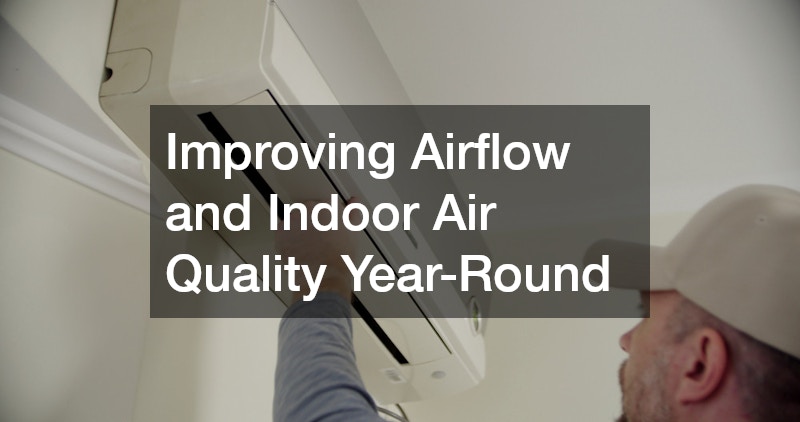
Airflow directly affects comfort, efficiency, and indoor health. When air circulation is restricted, systems must work harder to distribute conditioned air, increasing energy consumption and accelerating wear. Routine hvac filter service is one of the simplest yet most impactful maintenance steps homeowners can take. Neglecting this step can strain the system, reducing lifespan and increasing the risk of breakdowns during peak seasons.
Filters gradually clog with dust, allergens, and debris. As airflow decreases, rooms become unevenly conditioned, humidity levels rise, and indoor comfort diminishes. Poor airflow can also allow contaminants, such as pollen, mold spores, and dust mites, to circulate, negatively affecting respiratory health. In homes with pets or high traffic, the impact can be even more significant.
Working with a qualified HVAC contractor ensures airflow issues are properly diagnosed and corrected. Professionals evaluate duct design, blower performance, and filtration choices to optimize air distribution and improve system efficiency. Additionally, contractors can identify hidden leaks, blockages, or insulation issues that homeowners might miss. Proper airflow management leads to better comfort, lower operating costs, and healthier living spaces, while also reducing unnecessary strain on mechanical components, extending the system’s overall reliability.
Keeping Roof Drainage Systems Functional and Damage-Free
Water is one of the most destructive forces affecting homes. When drainage systems fail, moisture infiltrates areas not designed for prolonged exposure. Gutter repairs are essential for preventing water-related damage to siding, foundations, and roofing materials. Even small blockages can redirect water, causing erosion around the foundation or leaks in exterior walls, which may not be immediately visible but can lead to costly structural repairs over time.
Overflowing or sagging gutters allow water to pool near the home, saturating soil and weakening structural components. Standing water encourages soil movement that can compromise landscaping and foundation stability. Moisture that spills onto roof edges or siding accelerates wood rot, damages paint and sealants, and increases the risk of mold growth. These issues often remain hidden until visible damage becomes extensive, making early inspection and maintenance critical.
Regular maintenance, such as clearing debris, checking for loose or misaligned sections, and ensuring downspouts direct water away from the home, helps prevent long-term problems. Seasonal inspections after heavy rains or snowmelt are also recommended to confirm that drainage systems are functioning properly and to catch emerging issues before they escalate. Maintaining effective roof drainage safeguards the home’s structural integrity, preserves aesthetic appeal, and reduces the likelihood of costly repairs elsewhere in the property.
Preventative steps homeowners should take:
- Clean gutters at least twice per year
- Check for loose fasteners and misalignment
- Ensure downspouts direct water away from the foundation
- Inspect after major storms
Maintaining proper drainage protects structural integrity and reduces the likelihood of moisture-related repairs elsewhere in the home.
Protecting the Roof as Your First Line of Defense
The roof shields the home from weather, temperature extremes, and moisture intrusion. Even minor damage can compromise its protective role. A trained roofer can identify subtle wear patterns that homeowners often overlook.
Environmental factors such as sun exposure, debris accumulation, and temperature fluctuations accelerate material deterioration. Without routine inspections, damage progresses quietly until leaks form.
Scheduling evaluations through a professional roofing service allows repairs to be planned strategically. This proactive approach extends roof lifespan, protects interior systems, and prevents emergency replacements caused by neglect.
Addressing Chimney Issues That Affect Safety and Efficiency
Chimneys play a critical role in ventilation and safety, but are frequently overlooked. Structural deterioration, blockages, and moisture intrusion compromise performance and pose risks. A qualified chimney repair company can assess areas that homeowners cannot safely access. Regular inspections help identify cracks, loose bricks, or degraded mortar that may allow water to penetrate, leading to interior damage or accelerated roof deterioration.
Blockages caused by creosote buildup, nests, or debris can restrict airflow, increasing the risk of smoke backflow or carbon monoxide infiltration. Addressing these issues promptly ensures safe operation, maintains proper ventilation, and protects both the chimney structure and the surrounding roofing materials from long-term damage. Preventative maintenance also extends the life of the chimney and improves overall home safety.
Common issues include:
- Cracked or crumbling mortar
- Water stains near the chimney base
- Leaning or separation from the structure
- Restricted airflow
Addressing chimney issues early prevents damage from spreading to roofing and framing materials while ensuring proper ventilation and safe operation.
Coordinating Exterior and HVAC Repairs Strategically
Home systems influence one another more than many homeowners realize. Roof leaks can affect insulation and airflow, while ventilation issues can increase attic moisture. Treating systems independently often leads to repeated problems. For example, a minor roof leak that goes unaddressed can compromise attic insulation, forcing heating and cooling systems to work harder to maintain consistent indoor temperatures. Similarly, poor ventilation may trap humidity, promoting mold growth that affects both air quality and structural components. Coordinating maintenance across systems ensures that repairs address the root cause rather than just the symptoms, saving money, reducing repeated fixes, and improving overall home performance.
Strategic coordination offers several benefits:
- Repairs address root causes, not symptoms
- Scheduling becomes more efficient
- Long-term costs are reduced
- System performance improves overall
Sharing inspection findings between service providers helps create a comprehensive maintenance strategy rather than isolated fixes.
Building a Preventative Maintenance Checklist
Preventative maintenance transforms homeownership from reactive to proactive. Breaking responsibilities into monthly, seasonal, and annual tasks makes upkeep manageable and consistent. By creating a structured schedule, homeowners can address small issues before they become costly problems, reducing stress and minimizing emergency repairs. This approach also allows for better budgeting, as planned maintenance can be anticipated rather than dealt with unexpectedly. Documenting completed tasks provides a clear history, helping to track patterns and identify recurring concerns. Over time, a consistent preventative strategy enhances the longevity of home systems, protects property value, and ensures a safer, more comfortable living environment year-round.
Example checklist structure:
- Monthly: monitor system performance, check visible damage
- Seasonal: clean drainage systems, inspect attics and crawl spaces
- Annual: schedule professional inspections, review repair history
Documenting inspections and repairs builds a valuable history that helps anticipate future needs and budget accordingly.
Knowing When DIY Stops and Professional Help Starts
While homeowners can handle basic upkeep, complex repairs often require professional expertise. Structural issues, ventilation concerns, and mechanical failures pose safety risks when handled improperly.
Signs that professional help is needed include:
- Persistent performance problems
- Structural or water-related damage
- Electrical or combustion concerns
- Repeated temporary fixes
Recognizing limitations protects both safety and investment. Professional repairs ensure work is completed correctly and prevent costly mistakes.
A reliable home is built through awareness, planning, and timely action. When homeowners understand how exterior systems and mechanical components interact, they make better decisions that protect comfort, safety, and long-term value. This awareness shifts maintenance from a reactive chore into a strategic process that supports both daily living and future resale potential.
Recognizing early warning signs allows issues to be addressed while they are still manageable, avoiding the stress and expense of emergency situations. Coordinating maintenance efforts across different parts of the home ensures that repairs solve root problems instead of temporarily masking symptoms. When systems are cared for as part of a whole, they perform more efficiently and place less strain on one another.
Proactive home care also creates predictability. Scheduled inspections, documented repairs, and routine upkeep make it easier to budget for future needs and plan improvements on your own timeline. Over time, this consistency builds confidence and reduces uncertainty, especially during seasonal changes or extreme weather.
With steady attention and informed choices, homeowners gain greater control over their living environment. The result is a home that not only functions reliably but also feels safer, more comfortable, and better prepared for whatever challenges arise in the years ahead.