

As the seasons change, your home faces unique challenges—from harsh winter snow and ice to spring rains and summer heat. Seasonal home renovations and maintenance are essential for protecting your property, ensuring your family’s comfort, and preventing costly repairs. Preparing your home proactively helps you avoid unexpected damage and makes your living environment safer and more enjoyable year-round.
Homeowners often focus on cosmetic improvements, but functional upgrades and preventive care are just as important. Seasonal preparation includes everything from inspecting structural elements to upgrading technology, optimizing energy efficiency, and ensuring safety systems are fully operational.
Inspecting and Strengthening Your Roof for Seasonal Weather
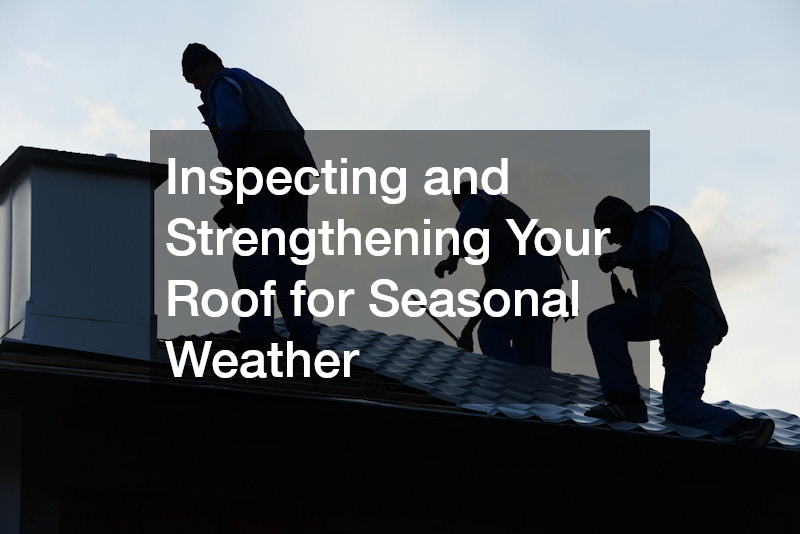
Your roof is your home’s first line of defense against the elements, and its condition greatly influences your safety and comfort. Seasonal shifts can exacerbate wear and tear, making inspections critical before winter storms or spring rains.
Start with a thorough visual inspection of your roof. Look for missing or damaged shingles, sagging areas, and signs of leaks inside your attic. Check flashing around chimneys and vents for corrosion or cracks. While minor repairs can sometimes be addressed by homeowners, extensive damage warrants professional assistance.
Roofing contractors bring specialized tools and experience to identify hidden weaknesses that can lead to costly water damage. Hiring professionals ensures that repairs are completed safely and up to code, preventing potential insurance issues down the line.
Gutter repair is closely tied to roofing health. Clogged or damaged gutters can cause water to pool around your foundation, leading to leaks, basement flooding, and even structural damage. Clean gutters thoroughly and check for cracks or sagging sections. Installing gutter guards can reduce maintenance frequency and protect your roof and home from water damage.
Actionable tips:
- Schedule a professional roof inspection before winter and spring.
- Clean and secure gutters to prevent water overflow.
- Replace worn shingles or flashing promptly to avoid leaks.
- Trim overhanging branches that could damage your roof during storms.
Updating Flooring for Durability and Comfort
Seasonal changes can impact indoor flooring differently depending on the material. Hardwood may expand and contract with humidity, while carpet can trap moisture from snow and rain, creating potential mold problems. Maintaining durable, comfortable flooring requires attention to both cleaning and preventative care.
Flooring services can help you address damage, refinish hardwood, or replace worn tiles. A professional can identify areas prone to water damage or wear and recommend solutions that extend the life of your floors. Proper sealing, especially in high-moisture areas like kitchens and bathrooms, is essential before winter or rainy seasons.
Homeowners can also take small steps themselves. Using moisture-absorbing mats at entrances prevents water and dirt from spreading inside. Area rugs can add warmth and comfort while protecting hardwood from scratches. Periodically inspecting underflooring and subfloor areas ensures no hidden moisture is compromising your flooring integrity.
Actionable tips:
- Inspect flooring for warping, cracks, or water damage before seasonal transitions.
- Refinish hardwood or replace tiles showing wear.
- Use rugs and moisture barriers to protect high-traffic areas.
- Schedule flooring services for preventive maintenance annually.
Enhancing Garage Spaces for Safety and Efficiency

The garage often serves multiple functions: vehicle storage, workshop, and seasonal storage area. Seasonal maintenance ensures it remains functional, safe, and well-organized. Poor insulation or inadequate lighting can make garages uncomfortable in winter or sweltering in summer, while clutter can increase accident risk.
Garage contractors can help upgrade flooring, install shelving, and improve insulation and ventilation. Professional installation ensures your garage is safe for storage and provides a comfortable workspace regardless of outdoor conditions.
Integrating a home automation system in your garage can add convenience and security. Automated lighting, remote-controlled garage doors, and motion sensors improve safety and efficiency, especially during winter months when daylight is limited. You can also integrate smart cameras to monitor activity and protect valuable tools or vehicles.
Actionable tips:
- Organize seasonal storage to prevent clutter and maintain accessibility.
- Upgrade insulation and flooring for year-round comfort.
- Install automated lighting and garage doors for safety and convenience.
- Schedule a garage contractor visit to plan major renovations or repairs.
Preparing Plumbing Systems Before Seasonal Extremes
Pipes, faucets, and water heaters are vulnerable to seasonal changes, particularly during winter when freezing temperatures can cause burst pipes. Preventive plumbing care minimizes disruptions and protects your home from costly water damage.
A plumbing company can perform a thorough inspection, check for leaks, flush water heaters, and ensure your system is winter-ready. Professionals can also advise on preventive measures like pipe insulation and water flow adjustments.
Drain cleaning company services are essential for avoiding seasonal clogs caused by debris, leaves, or increased water usage. Clean drains prevent backups and ensure efficient drainage, particularly during heavy rainfall or spring thaw periods. Annual or semi-annual professional drain cleaning keeps your system functioning optimally and reduces emergency plumbing calls.
Actionable tips:
- Insulate exposed pipes before winter to prevent freezing.
- Schedule water heater and plumbing system inspections.
- Use professional drain cleaning to avoid seasonal blockages.
- Monitor faucets and drains for slow flow or leaks throughout the year.
Fire Safety and Chimney Maintenance

As temperatures drop, heating systems and fireplaces see increased use, making fire safety a top priority. Proper maintenance ensures your home remains safe and your heating systems operate efficiently.
Fire alarm services are crucial for testing and maintaining alarms. Replace batteries regularly and schedule a professional inspection to ensure alarms meet safety standards. Consider interconnected alarms that provide alerts throughout your home for enhanced safety.
Chimney inspection is essential for homes using wood-burning fireplaces. Creosote buildup, cracks, or blockages can cause dangerous chimney fires or carbon monoxide hazards. Professional chimney inspection and cleaning remove buildup and detect structural issues before they become emergencies. Regular maintenance ensures your fireplace provides warmth safely.
Actionable tips:
- Test fire alarms and replace batteries before heating season.
- Schedule professional fire alarm services annually.
- Have chimneys inspected and cleaned before heavy use.
- Keep flammable materials away from heat sources and fireplaces.
Implementing Eco-Friendly Seasonal Upgrades
Sustainability and energy efficiency are key considerations in modern home maintenance. Seasonal renovations can improve efficiency, reduce energy costs, and enhance comfort while minimizing environmental impact.
Environmental consulting services can assess your home’s energy performance and recommend upgrades like improved insulation, high-efficiency windows, or solar panel integration. These measures can be scheduled seasonally to maximize results and comfort.
Small DIY upgrades also contribute to sustainability. Sealing drafty doors and windows, installing programmable thermostats, or switching to energy-efficient lighting reduces waste and keeps utility costs down. Seasonal landscaping adjustments, like planting shade trees, can improve natural cooling in summer.
Actionable tips:
- Schedule environmental consulting assessments before major seasonal changes.
- Upgrade insulation and windows to improve efficiency.
- Implement energy-saving lighting and smart thermostats.
- Use landscaping strategically for passive heating and cooling.
Integrating Smart Home Technology for Year-Round Comfort
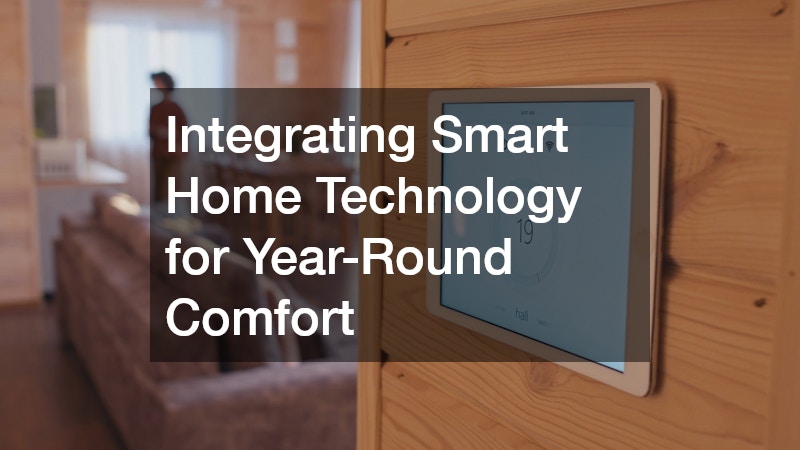
Smart home technology provides comfort, security, and efficiency across all seasons. Proper installation and planning allow homeowners to automate temperature control, monitor security, and manage lighting effortlessly.
Home automation system integration allows you to adjust thermostats remotely, schedule lighting for winter evenings, or receive alerts if a pipe bursts. Automated systems also improve energy efficiency by optimizing usage when no one is home.
Even minor additions like smart plugs, motion sensors, and automated window treatments enhance comfort and convenience. Seasonal adjustments to automation schedules ensure your home remains optimized for changing daylight hours and temperature patterns.
Actionable tips:
- Install a smart thermostat and integrate with heating/cooling systems.
- Use motion sensors and automated lighting to improve convenience.
- Schedule seasonal adjustments for optimal energy savings.
- Monitor smart systems regularly to ensure they function properly.
Seasonal Exterior Maintenance Tips
Exterior maintenance plays a crucial role in protecting your home from weather damage while preserving its curb appeal. Seasonal changes—whether harsh winter snow, spring rains, or intense summer heat—can accelerate wear on siding, roofs, and landscaping. By preparing your home’s exterior proactively, you reduce the risk of costly repairs, prevent water infiltration, and maintain the structural integrity of your property. A well-maintained exterior also enhances overall safety by eliminating hazards such as loose debris, weak structures, or slippery walkways.
Gutter repair is one of the most important aspects of seasonal exterior maintenance. Gutters that are cracked, sagging, or clogged can cause water to pool around your foundation, leading to erosion, basement flooding, or structural damage. Inspect gutters carefully for leaks, misaligned sections, or rusted brackets. Clear out leaves, dirt, and debris regularly, especially in the fall, to maintain proper water flow. Adding downspout extensions or splash blocks can help direct water away from the home, further protecting foundations and landscaping. Scheduling a professional gutter inspection every year ensures that repairs are done thoroughly and prevents small issues from turning into major problems.
Additional seasonal exterior maintenance includes inspecting siding for cracks, warping, or rot, which can allow moisture and pests to penetrate your home. Power washing removes dirt, mold, and mildew, while repainting or resealing surfaces restores protective coatings and improves curb appeal. Landscaping adjustments are also important—trim back overgrown shrubs, remove dead branches, and reinforce retaining walls to prevent damage during storms. Checking roofs for missing shingles, damaged flashing, or ice dams complements gutter care, helping to prevent leaks and structural issues. Winterizing exterior water spigots, sealing gaps and cracks around windows or doors, and ensuring proper drainage around walkways further protect your home from seasonal extremes.
By following a consistent schedule of exterior inspections and repairs, homeowners can address minor issues before they become expensive problems. Keeping gutters clean, roofs sound, siding intact, and landscaping maintained creates a protective barrier against storms, heavy rain, and temperature fluctuations. This proactive approach not only safeguards your investment but also maintains your home’s appearance, functionality, and safety throughout the year.
Actionable tips:
- Inspect and repair gutters before heavy rainfall or snowfall.
- Power wash and inspect siding for damage or wear.
- Trim overhanging branches and remove dead trees.
- Seal exterior cracks and maintain landscaping for water management.
Planning Renovations Strategically by Season
Not all home improvement projects are equally effective year-round. Strategic planning ensures renovations are safe, cost-effective, and minimally disruptive, allowing you to get the most out of your investment. By considering factors such as weather, material sensitivity, and contractor availability, you can avoid delays, prevent damage, and ensure each project is completed efficiently. Proper timing also reduces the stress of juggling multiple tasks and keeps your home functional throughout the renovation process.
Roofing contractors can help schedule roof repairs during spring or summer when weather conditions are favorable and materials can properly set. Harsh winter conditions, heavy rains, or extreme heat can compromise roofing materials and extend project timelines. Similarly, flooring services are often more effective during drier seasons, as high humidity can cause wood to expand or warp, and certain adhesives may not cure properly in cold or damp environments. By aligning these projects with optimal conditions, homeowners can maximize durability and long-term performance.
Plan outdoor projects such as painting, landscaping, siding work, and deck maintenance during warmer months when surfaces dry quickly and plants can thrive. These projects benefit from consistent temperatures and longer daylight hours, reducing the risk of moisture-related issues or uneven finishes. On the other hand, interior renovations—including insulation upgrades, bathroom remodeling, kitchen improvements, or smart home installation—can be scheduled during cooler months. Interior work is less affected by external weather, and cooler temperatures can make indoor spaces more comfortable for both workers and homeowners.
Creating a seasonal renovation calendar helps homeowners prioritize tasks, track deadlines, and allocate resources efficiently. By mapping out which projects are best suited for each season, you can coordinate contractor schedules, order materials in advance, and minimize disruption to daily life. This proactive approach not only improves efficiency but also reduces the likelihood of costly mistakes or emergency repairs, ultimately making home improvements smoother, safer, and more enjoyable throughout the year.
Actionable tips:
- Schedule major outdoor renovations during favorable weather.
- Coordinate interior projects during cooler or drier seasons.
- Plan preventive maintenance to avoid emergency repairs.
- Use seasonal calendars to track inspections, upgrades, and services.
Preparing your home for seasonal changes protects your property, improves comfort, and ensures safety for everyone living inside. From roof inspections and gutter cleaning to plumbing maintenance, flooring upgrades, and smart home automation, each step contributes to a home that performs reliably year-round. By proactively scheduling inspections, renovations, and professional services, you minimize risks and save on costly repairs while creating a more enjoyable living environment.
Seasonal home renovations are more than just aesthetic improvements—they’re investments in safety, efficiency, and long-term comfort. By combining preventive maintenance with strategic upgrades and smart technology, homeowners can enjoy peace of mind and a home that adapts seamlessly to the challenges of every season.