
Investing in affordable improvements for your HVAC system can make a significant difference in energy efficiency, comfort, and long-term savings. Many homeowners assume that enhancing heating and air conditioning performance requires expensive upgrades or complete system replacements, but small, cost-effective changes can have a measurable impact. By incorporating affordable improvements, homeowners can lower utility bills, extend the lifespan of their systems, and reduce their environmental footprint. From upgrading filters and installing smart thermostats to ensuring proper insulation and maintaining outdoor units, these strategies help HVAC systems run at peak efficiency. Professional services from a reputable HVAC company or furnace contractor can further maximize the benefits of these improvements, while routine maintenance ensures that systems, whether heat pumps or traditional furnaces, continue to perform optimally. Whether you rely on heating oil delivery, have a central air conditioning system, or are exploring renewable options, affordable improvements make it possible to enjoy consistent comfort without unnecessary expense. This article explores practical, actionable approaches to improving HVAC performance, helping you make informed decisions while keeping costs manageable. With careful attention to both maintenance and strategic upgrades, every home can benefit from increased efficiency, reduced energy consumption, and improved comfort.
What Are The Most Cost-Effective HVAC Upgrades?

Upgrade Filters Regularly
One of the simplest and most effective affordable improvements is to upgrade and replace your HVAC filters regularly. High-efficiency filters capture more dust, pollen, and airborne particles than standard models, which allows your system to operate more efficiently. When air filters become clogged, heating services and air conditioning systems must work harder, consuming more energy and shortening the lifespan of components. HVAC installers often recommend checking filters monthly and replacing them at least every three months to ensure optimal airflow. Regular filter maintenance can prevent costly repairs, reduce strain on heat pumps, and help an ac contractor avoid frequent service calls. Even small changes, like using high-quality filters or adding a pre-filter, can make a noticeable difference in system performance. By treating filter upgrades as a routine part of home care, homeowners can enjoy improved air quality while enhancing the efficiency of their HVAC systems.
Install a Smart Thermostat
Smart thermostats are another affordable improvement that can dramatically optimize HVAC usage. These devices allow you to schedule heating and air conditioning cycles based on daily routines, automatically adjusting temperatures when spaces are unoccupied. By reducing unnecessary heating or cooling, smart thermostats help cut energy costs and reduce wear on heat pumps or traditional furnaces. HVAC companies and contractors often recommend smart thermostat integration as a cost-effective solution for both energy savings and convenience. Some models even allow remote control via smartphone apps, making it easy for homeowners to monitor and adjust settings on the go. For ac contractors and furnace contractors, advising clients to adopt smart thermostats can lead to fewer emergency service calls and better overall system performance. As a result, investing in a smart thermostat is not only affordable but also strategic, providing a clear return through lower utility bills and more efficient HVAC operation.
How Can Regular Maintenance Improve HVAC Efficiency?
Importance Of Seasonal Inspections
Routine seasonal inspections are a crucial step in ensuring your HVAC system operates efficiently. Affordable improvements often include scheduling annual or biannual checkups with experienced HVAC contractors who can detect minor issues before they become costly problems. Inspectors typically examine heat pumps, air conditioning systems, and furnaces to ensure that components are functioning correctly, refrigerant levels are adequate, and no leaks or blockages exist. Regular inspections can prevent unexpected breakdowns, improve energy efficiency, and extend the lifespan of your HVAC equipment. Furnace contractors and ac contractors alike emphasize that small, preventive actions often save more money in the long run than major repairs. By addressing potential issues early, homeowners can maintain a comfortable indoor environment year-round while avoiding unnecessary energy consumption. Seasonal maintenance is a straightforward, affordable improvement that contributes significantly to long-term HVAC performance.
Cleaning Ducts And Vents
Another essential aspect of regular maintenance involves cleaning ducts and vents. Over time, dust, pet hair, and debris accumulate in the ductwork, reducing airflow and forcing heating services or air conditioning units to work harder. A good HVAC contractor will recommend periodic cleaning to improve system efficiency and maintain consistent temperatures throughout the home. Clean ducts allow heat pumps and furnaces to operate with less resistance, which not only reduces energy costs but also enhances indoor air quality. Ac contractors often find that clients notice immediate benefits after a thorough duct cleaning, including more uniform heating and cooling. Affordable improvements like duct cleaning can be performed professionally or, in some cases, with DIY tools, making it accessible for most homeowners. Consistently clean ducts and vents ensure that HVAC systems deliver optimal performance without unnecessary energy waste.
What Role Does Insulation Play In HVAC Efficiency?
Insulating Your Home
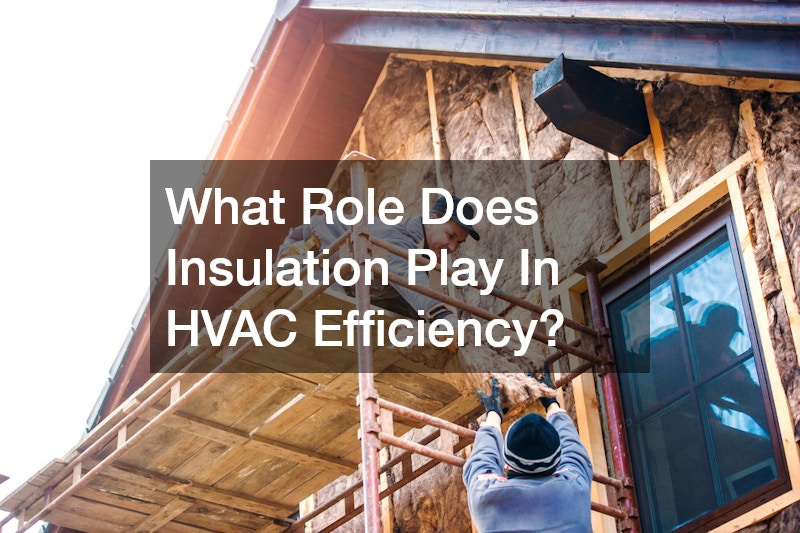
Proper insulation is a key affordable improvement that helps maintain indoor temperatures and reduces the workload on HVAC systems. Well-insulated walls, attics, and basements prevent heat from escaping during winter or entering during summer, allowing furnaces and air conditioning units to operate more efficiently. HVAC companies often stress that insulation upgrades complement other efficiency measures, such as smart thermostats or duct sealing. By reducing heat transfer, homeowners can lower heating oil delivery needs, save on energy bills, and extend the life of heat pumps or traditional heating systems. Insulation improvements may include adding spray foam, fiberglass batts, or reflective barriers, depending on the home’s design and climate. Even minor upgrades, like sealing gaps around windows and doors, contribute to a more comfortable living environment and improve overall system efficiency. Proper insulation is a low-cost, high-impact strategy for enhancing HVAC performance and supporting other energy-saving measures.
Sealing Ductwork
Sealing ductwork is another affordable improvement that directly boosts HVAC efficiency. Leaks in ducts allow conditioned air to escape into unheated or uncooled spaces, forcing heat pumps, furnaces, and air conditioning units to consume more energy to maintain desired temperatures. A good HVAC company will recommend using mastic sealant or metal tape to close gaps and prevent air loss. Properly sealed ducts enhance airflow, improve temperature consistency, and reduce energy costs. For ac contractors and furnace contractors, advising homeowners to inspect and seal ducts is a practical step that complements regular maintenance. By addressing duct leaks, homeowners maximize the efficiency of their HVAC systems, enjoy better indoor comfort, and extend the lifespan of heating and cooling equipment. Sealing ductwork is a highly effective, budget-friendly improvement that provides immediate and long-lasting benefits.
Can Upgrading HVAC Components Make A Difference?
Energy-Efficient Compressors
One impactful affordable improvement is upgrading to energy-efficient compressors for air conditioning and heat pump systems. These compressors require less energy to move refrigerant, which translates into lower electricity bills and reduced strain on the HVAC system. HVAC companies and contractors often recommend energy-efficient units when installing or replacing components to enhance overall system performance. Energy-efficient compressors also operate more quietly and reliably, reducing the likelihood of repairs and service calls from ac contractors. By focusing on key components like compressors, homeowners can achieve measurable efficiency gains without investing in a complete system replacement. Combining this upgrade with regular maintenance, duct sealing, and insulation ensures that your HVAC system operates at peak performance, optimizing comfort and energy savings.
How Does Landscaping Affect HVAC Efficiency?
Strategic Plant Placement
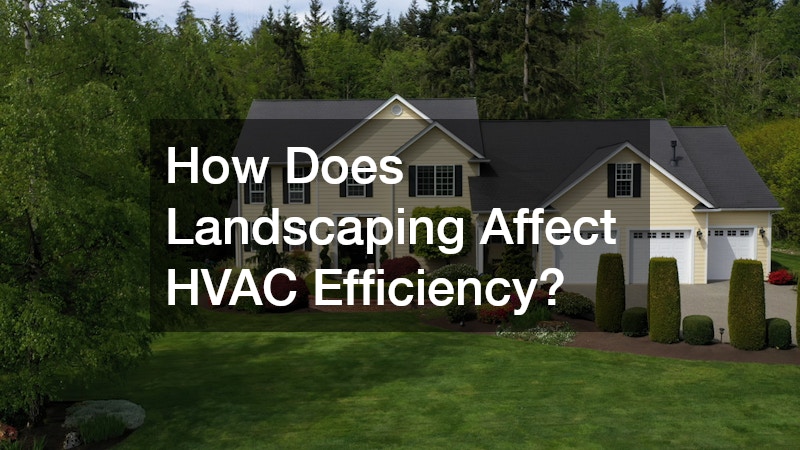
You wouldn’t think so, but good air conditioning service starts with your exterior. Landscaping is an often-overlooked aspect of HVAC efficiency, yet it can provide significant benefits as an affordable improvement. Strategic placement of trees, shrubs, and other plants around your home can offer natural shading for air conditioning units and protect heat pumps or furnaces from harsh winds. By reducing direct sunlight on exterior units, HVAC systems do not have to work as hard to maintain comfortable indoor temperatures. HVAC contractors and ac contractors often recommend planting deciduous trees on the south and west sides of the home for seasonal shading while keeping areas around vents clear for airflow. Shrubs can serve as windbreaks during colder months, reducing heating services demand. Thoughtful landscaping not only enhances curb appeal but also reduces energy consumption, making it a smart, cost-effective improvement for homeowners seeking better HVAC efficiency.
Maintaining Outdoor Units
Proper maintenance of outdoor HVAC units is another key affordable improvement. Debris such as leaves, dirt, and grass clippings can block airflow, forcing air conditioning systems, heat pumps, and furnaces to work harder. Regular cleaning around outdoor units ensures optimal performance and prevents unnecessary wear. HVAC companies and ac contractors stress that even small amounts of debris can reduce system efficiency by as much as 10 percent. Routine inspections, trimming nearby plants, and keeping the area around the unit clear can extend equipment lifespan and lower energy bills. Homeowners can also schedule professional maintenance to inspect and tune outdoor units, ensuring the system operates efficiently throughout the year. By maintaining outdoor units, you protect your investment while improving HVAC performance in a cost-effective way.
What Are The Advantages Of Zoning Systems?
Tailoring Temperature Control
Zoning systems are an advanced affordable improvement that allows homeowners to customize heating and cooling in different areas of a home. By dividing a house into zones, each with its own thermostat, HVAC systems can deliver precise temperature control, ensuring comfort where it’s needed most. This approach reduces wasted energy in unoccupied rooms, improving the efficiency of heat pumps, furnaces, and air conditioning systems. HVAC contractors and ac contractors often recommend zoning systems for multi-level homes or spaces with varying usage patterns. Tailoring temperature control not only enhances comfort but also reduces wear on equipment, leading to longer system lifespan and fewer repair calls. Investing in a zoning system is a smart, cost-effective improvement that maximizes the benefits of modern HVAC technology.
Energy Savings Opportunities
Zoning systems also create opportunities for significant energy savings. By heating or cooling only occupied areas, homeowners can lower overall utility bills and reduce reliance on heating oil delivery or electricity for air conditioning. HVAC companies note that zoning systems often pay for themselves over time through reduced energy consumption and increased efficiency. Ac contractors and furnace contractors frequently observe that homes with zoning experience more consistent temperatures, fewer complaints about uneven heating, and improved indoor comfort. Implementing a zoning system is an affordable improvement that not only saves money but also enhances control over your indoor environment, making it a worthwhile investment for any homeowner seeking efficiency gains.
How Can Upgrading To Renewable Energy Sources Benefit HVAC Efficiency?
Solar-Powered HVAC Systems
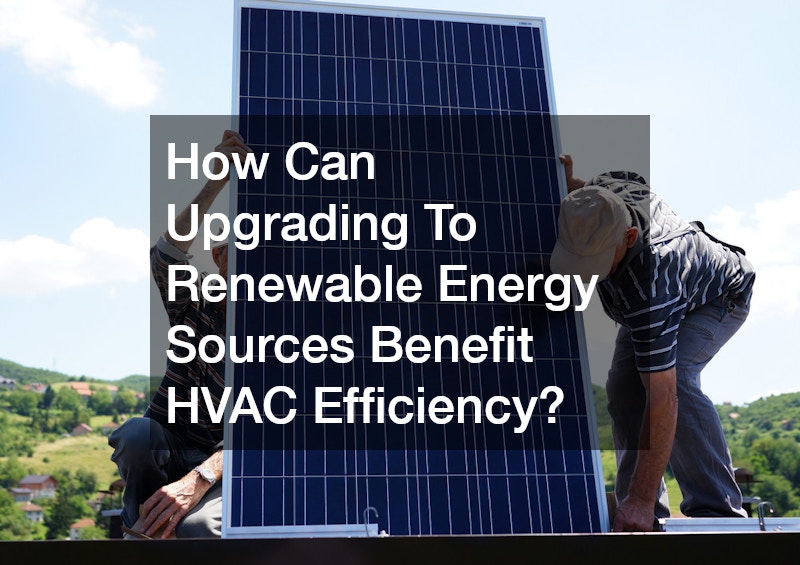
Solar-powered HVAC systems represent a forward-thinking affordable improvement for homeowners interested in renewable energy. By harnessing the sun’s energy, these systems can power air conditioning units, heat pumps, and other HVAC equipment, reducing reliance on traditional electricity and heating oil delivery. Solar energy integration helps lower utility bills while maintaining consistent indoor comfort. HVAC companies and contractors often offer guidance on selecting solar-compatible systems and integrating them with existing HVAC infrastructure. Ac contractors can ensure that solar-powered units are installed correctly for maximum efficiency. While the initial investment may be higher than some other affordable improvements, the long-term savings and environmental benefits make solar HVAC systems an attractive option for energy-conscious homeowners.
What Are Some DIY Tips For Increasing HVAC Efficiency?
Weatherproofing Your Home
Weatherproofing is one of the easiest and most affordable improvements homeowners can make to enhance HVAC efficiency. Sealing gaps around windows and doors, adding weatherstripping, and insulating attics or basements prevents air leaks that force heat pumps, furnaces, and air conditioning systems to work harder. HVAC contractors often emphasize that even small weatherproofing efforts can result in noticeable energy savings. Ac contractors may also advise adding door sweeps or insulating exterior outlets to further reduce air loss. By improving the thermal envelope of a home, homeowners maintain more consistent temperatures, reduce utility costs, and extend the life of their HVAC systems. Weatherproofing is a simple, cost-effective DIY improvement with immediate benefits for efficiency and comfort.
Use Of Ceiling Fans
Ceiling fans are another practical affordable improvement that enhances HVAC efficiency. Fans improve air circulation, helping to distribute heat evenly during the winter and creating a cooling effect in the summer. This reduces reliance on furnaces and air conditioning units, lowering energy consumption. HVAC companies and contractors recommend using fans in conjunction with thermostats to maximize efficiency. Ac contractors often note that ceiling fans allow homeowners to set their HVAC systems at more energy-efficient temperatures without sacrificing comfort. Whether used in bedrooms, living areas, or offices, fans are a low-cost, simple solution that complements other improvements, such as duct sealing or smart thermostat use. Ceiling fans help homeowners maintain comfort while reducing energy demand and improving HVAC efficiency.
Incorporating affordable improvements into your HVAC strategy is a highly effective way to boost system efficiency, reduce energy consumption, and increase overall comfort. From simple steps like upgrading filters, sealing ducts, and installing smart thermostats to more advanced options such as zoning systems, solar power, and geothermal heating, homeowners have numerous opportunities to improve HVAC performance without overspending. Regular maintenance, proper insulation, and strategic landscaping further enhance the efficiency of air conditioning systems, heat pumps, and furnaces, ensuring they operate at peak performance throughout the year. HVAC companies, ac contractors, and furnace contractors all emphasize that these improvements not only lower energy bills but also extend equipment lifespan and reduce the need for frequent service calls. Even small DIY initiatives like weatherproofing or using ceiling fans can complement professional upgrades, making every improvement count. By prioritizing affordable improvements, homeowners can enjoy a more sustainable, cost-effective, and comfortable indoor environment, reaping the benefits of a well-maintained, high-performing HVAC system.