

A slow drain might seem like a minor annoyance you can live with, but that small inconvenience is often the first warning sign of a much bigger problem building beneath your floors and walls. Homeowners who skip yearly drain maintenance frequently end up paying far more down the road in emergency repairs, water damage restoration, and even structural fixes. Understanding what happens inside your pipes when they go unchecked for years can help you avoid a costly surprise. This article breaks down exactly what skipping annual drain care can cost you, and what to watch for before small issues become major headaches.
How Grease and Soap Buildup Narrows Your Pipes Over Time
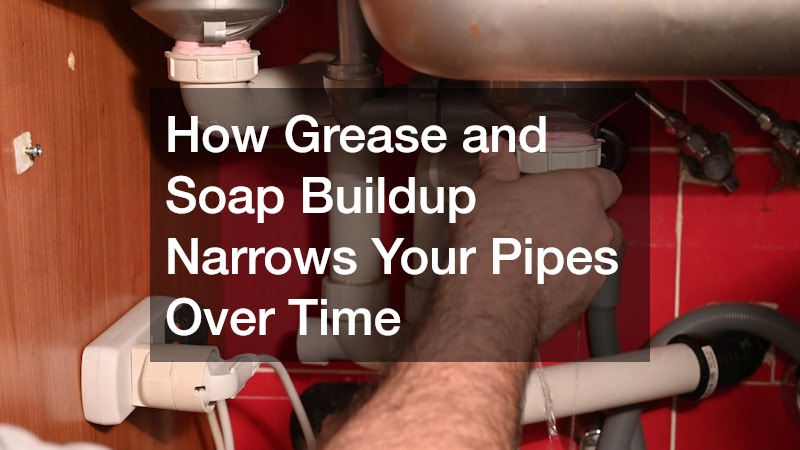
Every time you wash dishes, cook a greasy meal, or shower, tiny amounts of fat, oil, soap scum, and hair travel down your drains and stick to the interior pipe walls. Over months and years, these deposits harden and narrow the passage available for water to flow through, similar to how plaque builds up in an artery. What starts as a slightly slower drain often turns into a full blockage that backs up into your sink or tub at the worst possible moment.
Because this buildup happens gradually, most homeowners do not notice it until the damage is already significant. Regular flushing and inspection can catch this early, but without it, the buildup compounds year after year until only professional drain cleaning from experienced plumbing services can fully clear the line.
- Cooking grease and oil solidify as they cool inside pipes
- Soap scum combines with minerals to form a cement-like layer
- Hair and food particles get trapped in the sticky residue
- Reduced pipe diameter means slower drainage and more frequent clogs
Tree Root Intrusion in Aging Sewer Lines
Tree roots are naturally drawn to the moisture and nutrients inside sewer lines, and even a hairline crack in an old pipe can invite roots to grow inward. Once inside, roots expand and multiply, eventually creating a dense mass that traps waste and debris. This is one of the most expensive problems a homeowner can face if it goes undetected, since it often requires excavation or pipe relining to fully resolve.
Annual inspections can catch early root intrusion using camera technology before it becomes a full blockage. Catching this early is far cheaper than dealing with a collapsed line or a yard full of sewage after a summer storm.
- Mature trees near sewer lines pose the highest risk
- Small cracks in clay or cast iron pipes are especially vulnerable
- Root intrusion often causes gurgling sounds in multiple drains
- Left unchecked, roots can crack pipes completely and require full replacement
Hidden Leaks That Lead to Mold and Structural Damage
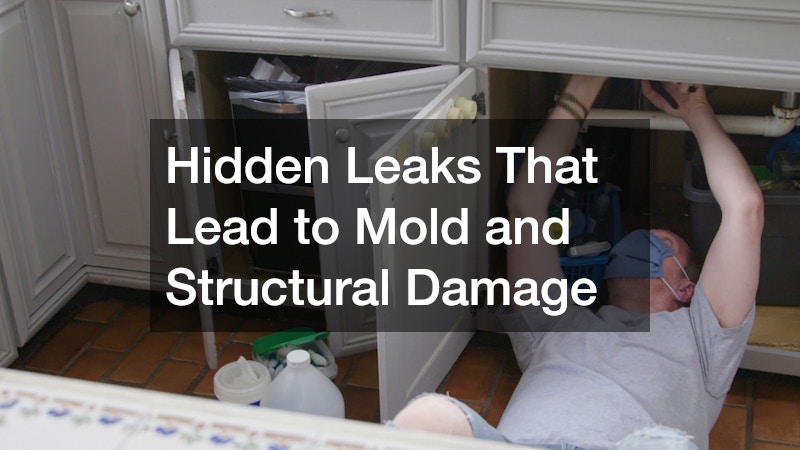
A slow, hidden leak behind a wall or under a floor can go unnoticed for months while it quietly damages framing, drywall, and insulation. By the time a stain appears on your ceiling or a musty smell fills a room, the mold growth and wood rot may already be extensive. Annual maintenance checks are designed to catch these small leaks through moisture readings and visual inspection before they become invisible disasters.
- Warped flooring or bubbling paint often signals a hidden leak
- Musty odors are frequently the first noticeable symptom
- Mold remediation costs can run into thousands of dollars
- Structural repairs are far more expensive than a simple pipe fix
The True Cost of a Sudden Sewage Backup
When a sewer line finally gives out after years of neglect, the result is rarely a small inconvenience. Sewage backups can flood basements, ruin flooring, and contaminate living spaces with hazardous waste that requires professional cleanup. In situations like this, many homeowners find themselves searching urgently for an emergency plumber in the middle of the night, paying premium rates for immediate service that could have been avoided with routine care.
The financial impact goes beyond the plumbing fix itself, since damaged belongings, flooring, and drywall all need to be replaced. Insurance may cover some of the cost, but many policies exclude damage caused by long-term neglect, leaving homeowners to cover the bulk of the bill themselves.
- Emergency service calls typically cost more than scheduled appointments
- Cleanup and sanitation add significant expense beyond the repair itself
- Some homeowners’ insurance policies deny claims tied to poor maintenance
- Water damage can spread to adjacent rooms within hours
Why Older Homes Face Greater Drain Risks

Homes built several decades ago often still rely on original clay, cast iron, or galvanized steel piping, all of which are more prone to corrosion, cracking, and root intrusion than modern PVC. If you live in an older property, your pipes have simply had more time to accumulate wear, making annual checkups even more important. A qualified plumbing contractor can assess the age and material of your home’s pipes and tell you realistically how many years of service life you have left.
- Cast iron pipes typically last 75 to 100 years, but corrode from the inside out
- Galvanized steel is prone to rust buildup that restricts water flow
- Clay pipes are especially vulnerable to root intrusion
- Older homes may have outdated pipe diameters incompatible with modern usage
What Happens During a Professional Drain Inspection
A thorough yearly inspection typically involves more than just running water down the drain to see if it flows. Technicians often use motorized cameras attached to flexible cables to visually inspect the inside of pipes, feeding the lens through drains and sending live footage back to a monitor in real time. This lets them check for cracks, buildup, corrosion, and root intrusion that would otherwise remain invisible until a pipe fails.
Along the way, they’re also looking for specific warning signs: bellied pipes where sections have sunk and now trap standing water, offset joints caused by shifting soil, and grease or mineral buildup that narrows the pipe’s diameter. Some technicians pair the camera inspection with a hydro-jetting test, blasting water through the line to see how well it clears debris. Others use locator devices that mark the exact position and depth of a problem area on the surface, so any digging that’s needed can be targeted rather than exploratory.
This process gives homeowners a clear, documented picture of their plumbing’s condition, often including recorded video or photos they can keep for future reference. It also helps prioritize any necessary repairs before they become emergencies, distinguishing between issues that need immediate attention and those that can be monitored over the next year.
A typical inspection starts with a licensed technician feeding a high-resolution camera through your drain lines, recording footage in real time so any buildup, cracks, or root intrusion can be pinpointed by location and depth. Many companies pair this with a locator device that maps the exact position of a problem area beneath your yard or foundation, which saves significant time and money if repairs turn out to be necessary later.
Choosing a reputable plumbing company for this service matters, since the quality of inspection equipment and the technician’s experience directly affect how much is caught. Older or poorly maintained camera equipment can miss hairline cracks or early-stage buildup, while an inexperienced eye may overlook warning signs that a seasoned technician would flag immediately.
A trustworthy provider will walk you through what they find, often showing you the footage directly, and explain the urgency of any issues using clear terms rather than jargon. They should distinguish between problems that need attention now, such as a partially collapsed pipe, and those that can be monitored over the next year, like minor scale buildup.
Good technicians also give you options: a temporary fix, a full repair, or simply a plan to reinspect at the next scheduled maintenance visit. Honest recommendations, rather than pressure to authorize unnecessary work, are one of the clearest signs you’ve found a plumbing company worth keeping on call.
- Camera inspections use a waterproof, fiber-optic scope to reveal cracks, root intrusion, and blockages invisible to the naked eye, often pinpointing the exact pipe segment and depth of the problem
- Hydro jetting blasts water at pressures up to 4,000 PSI to clear stubborn grease, scale, and debris buildup without damaging pipe walls, unlike metal snaking tools
- Technicians typically check flow rate and drainage speed in sinks, tubs, and floor drains to catch slow-developing clogs before they become full blockages
- Inspection reports include photos, video footage, and pipe condition ratings, helping homeowners plan and budget for future repairs rather than face emergency costs
- Annual documentation creates a year-over-year record, making it easier to track corrosion, buildup, or shifting that might otherwise go unnoticed
- Many plumbers flag minor issues, like small cracks or slow leaks, during inspections, so they can be fixed while repairs are still inexpensive
How Drain Neglect Connects to Other Home Systems
Plumbing problems rarely stay isolated, and a neglected drain can eventually affect systems you would not expect, including your water heater and even HVAC equipment installed near plumbing lines. Slow or clogged drains often force water to back up under sinks and around fixtures, and that excess moisture can seep into nearby walls, flooring, and mechanical closets where sensitive equipment lives.
Sediment and mineral buildup traveling through poorly maintained pipes can contribute to the need for water heater repairs sooner than expected, since debris can clog intake valves, coat heating elements, and reduce overall efficiency. Over time, this forces the unit to work harder to reach the same water temperature, which drives up energy bills and shortens the appliance’s lifespan by several years in some cases.
HVAC systems are not immune either. Many furnaces and air conditioners rely on condensate lines that drain into the same plumbing network, and when those lines share space with clogged or slow-moving pipes, backups can trigger water damage, mold growth, or automatic shutoffs designed to protect the equipment.
Homeowners who invest in whole-home maintenance, including upgrades like heat pump installation, should recognize that drainage and condensate lines tied to these systems also need regular attention to function properly. A newly installed heat pump, for example, still depends on a clear condensate path to operate efficiently, so pairing that investment with routine drain cleaning helps protect both systems and avoids paying for one repair that was really caused by another.
- Condensate lines from HVAC and heat pump systems can clog like any other drain, and when they do, the backup can trip safety switches, shut down the unit, or overflow onto ceilings and floors below
- Water heaters draw from the same water supply affected by pipe corrosion, so sediment and mineral buildup that starts in your drains often shows up as reduced efficiency or premature tank failure
- Sump pumps and floor drains share the same discharge pathways, meaning a clog downstream can cause backups during storms, even if the pump itself is working fine
- Ignoring one system often accelerates wear on connected systems, turning a simple $150 drain cleaning into a $1,000+ repair for a water heater, furnace, or foundation issue
- Slow drains can also mask hidden leaks, since standing water hides the moisture that would otherwise signal a bigger plumbing problem
- Whole-home maintenance plans catch cross-system issues early, often bundling drain, water heater, and HVAC inspections into one seasonal visit for better value and fewer surprises
Choosing the Right Professional for Ongoing Drain Care
Not all providers offer the same level of thoroughness, so it pays to research before committing to a yearly maintenance plan. A dependable local residential plumber will offer transparent pricing, clear explanations of any issues found, and realistic timelines for repairs rather than vague estimates. Look for reviews that mention punctuality, honesty, and follow-up support, since these qualities matter more in a long-term relationship than a low upfront price.
It also helps to compare a few plumbing companies in your area before settling on one, since pricing and service quality can vary significantly. Ask about warranties on their work, availability for follow-up visits, and whether they use modern equipment like cameras and hydro-jetting tools to catch problems before they turn into costly repairs.
- Ask for references or recent customer reviews before hiring
- Confirm what diagnostic equipment is used during routine inspections
- Look for licensing, insurance, and warranty information upfront
- Prioritize responsiveness, since availability matters during urgent issues
Building a Realistic Yearly Maintenance Budget
Setting aside a modest annual budget for drain maintenance is far less painful than facing a surprise bill for emergency plumbing repair services after a pipe fails completely. Most routine inspections and cleanings cost a fraction of what a full sewer line replacement or extensive water damage repair would run. Thinking of this expense as preventative insurance rather than an optional add-on can shift your mindset and help you commit to it every year.
- Routine drain cleaning is typically far cheaper than emergency repairs
- Setting aside a small annual amount avoids larger unexpected expenses
- Bundling services with one provider can sometimes reduce overall costs
- Preventative care extends the lifespan of your entire plumbing system
Skipping yearly drain maintenance might save you a small amount of time and money today, but the hidden costs of neglect tend to surface at the worst possible moment and in the most expensive form. From root intrusion to hidden leaks to full sewage backups, the risks compound the longer they go unaddressed. Scheduling a routine inspection this year is a simple, affordable step that can protect your home, your budget, and your peace of mind for years to come.